50 Year Analysis Shows Spanking Does Not Work
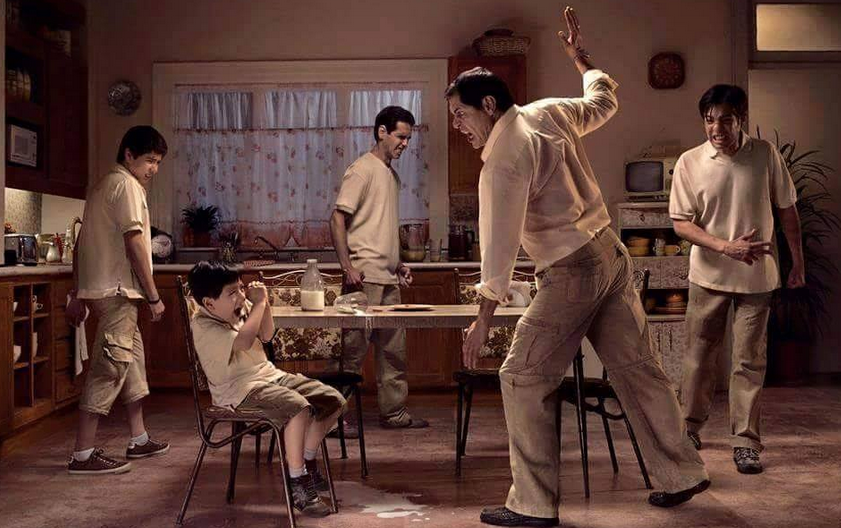
A new comprehensive study of spanking claims that children who are spanked are more likely to defy their parents, exhibit anti-social behaviors, and experience mental health problems.
Researchers with the University of Texas at Austin and the University of Michigan partnered together to analyze fifty years of spanking studies. The analysis, published in the Journal of Family Psychology, appears to confirm the negative effects of spanking found by previous researchers.
“Spanking makes children’s behavior worse,” lead author Elizabeth T. Gershoff told The Chicago Tribune. “It has the opposite effect than what parents want: It doesn’t make children better-behaved, and it doesn’t teach children right from wrong. It’s not related to immediate compliance, and it doesn’t make children behave better in the future.”
Gershoff, an associate professor of human development and family sciences at the University of Texas at Austin, worked with Andrew Grogan-Kaylor, an associate professor at the University of Michigan School of Social Work. The researchers found that across different age groups spanking seems to be an ineffective tool, often associated with increased aggression, troubled behaviors, anxiety, and depression. Children who are spanked are also more likely to spank their own children.
googletag.cmd.push(function() { googletag.display('div-gpt-ad-1470694951173-5'); });
//tags-cdn.deployads.com/a/activistpost.com.js
(deployads = window.deployads || ).push({});