Unprecedented Global Bond Bubble Threatens Holders of Cash
adUnit = document.getElementById("google-ads-aNcT");
google_ad_client = "ca-pub-1897954795849722";
adUnit = document.getElementById("google-ads-aNcT");
adWidth = adUnit.offsetWidth;
if ( adWidth >= 999999 ) {
/* GETTING THE FIRST IF OUT OF THE WAY */
} else {
google_ad_slot = "0";
adUnit.style.display = "none";
}
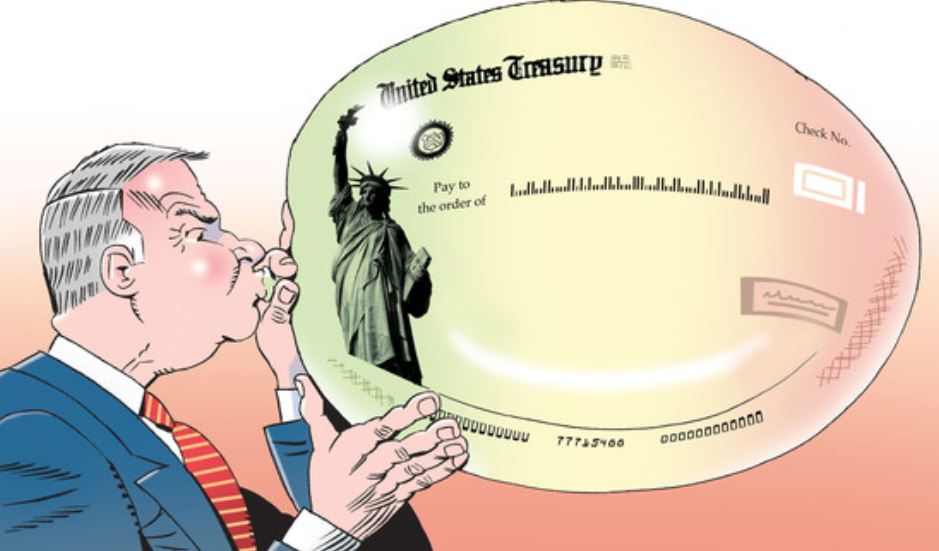
As big as previous real estate and stock market bubbles have been, the current global bubble in government debt dwarfs them all. Not only is it far bigger in size and scope (some $60 trillion in sovereign bonds now trade globally); it is also unprecedented in character.
The world has rarely seen a bond bull market that is not only 36 years old, but also shows few signs of ending. And never before in recorded history have interest rates gotten so low across the board.
How much lower can interest rates go? Conventional wisdom once held that rates could only get as low as 0%. WRONG! In the current crazed central banking climate, yields on cash can move below zero, and they could stay there for longer than anyone can possibly imagine.
Negative rates – where lenders pay interest to borrowers – are a strange-but-true phenomenon in Japan and throughout much of Europe. They aren’t confined just to overnight rates set directly by central banks. They have spread across the yield curve to afflict the long-term bond market as well.
The Fed Is Speaking Warmly about Imposing Negative Rates in America
The U.S. Federal Reserve is now contemplating a negative interest rate policy even as it jawbones about raising rates. At its August Jackson Hole gathering, Fed officials listened to economist Marvin Goodfriend make the case for negative rates (and another draconian measure, as I’ll explain in a moment).
“It is only a matter of time before another cyclical downturn calls for aggressive negative nominal interest rate policy,” he said. The U.S. economy is overdue for a recession, and when the one hits, Goodfriend suggests the Federal funds rate will be dropped to as low as -2%.
Goodfriend is no friend to holders of cash. Not only does he want to penalize savers; he also proposes eliminating coins and paper notes from circulation.
After all, if your bank account “pays” negative interest, holding physical cash under your mattress would give you a higher yield. So central bankers would rather see cash be eliminated to prevent you from pulling it out of the bank.
Fed Vice Chairman Stanley Fischer said in a recent Bloomberg interview that negative interest rates “seem to work.” While he denied that the Fed has any immediate plans to pursue a negative rate policy, he sure sounded favorable to the concept.
There Is Still an Escape Hatch to Sound Money
googletag.cmd.push(function() { googletag.display('div-gpt-ad-1470694951173-5'); });
(deployads = window.deployads || ).push({});