The Wealth Effect Failure
adUnit = document.getElementById("google-ads-5g06");
google_ad_client = "ca-pub-1897954795849722";
adUnit = document.getElementById("google-ads-5g06");
adWidth = adUnit.offsetWidth;
if ( adWidth >= 999999 ) {
/* GETTING THE FIRST IF OUT OF THE WAY */
} else {
google_ad_slot = "0";
adUnit.style.display = "none";
}
 By Susan Boskey
People tend to increase spending when the prices of their stock market and real estate assets rise. They perceive it as an increase to their financial security. This is known as the wealth effect.
The wealth effect is a psychological phenomenon that causes people to spend more as the value of their assets rises. The premise is that when consumers’ homes or investment portfolios increase in value, they feel more financially secure, so they increase their spending. Conversely, when consumers see the value of their homes or portfolios fall, they tend to spend less. The wealth effect attempts to explain why consumers might change their spending habits even if their income and fixed costs have stayed the same. ~ Investopedia
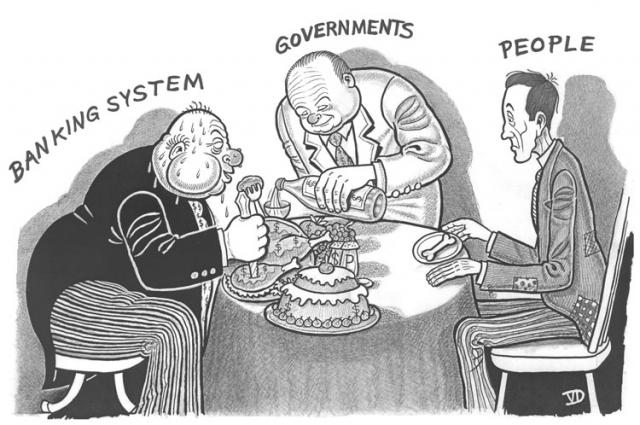
Monetary policymakers consider the increased consumer spending that follows a rise in the price of assets to be an indicator of economic recovery. But is it really and does the everyday family benefit? What is the reality?
- Higher home prices (significantly increased since 2008) make home ownership more unavailable to more people. Home ownership is at its lowest rate since tracking began in 1963.
googletag.cmd.push(function() { googletag.display('div-gpt-ad-1470694951173-5'); });
(deployads = window.deployads || ).push({});