Russia And China Preparing Alternative Banking Architecture
adUnit = document.getElementById("google-ads-kHej");
google_ad_client = "ca-pub-1897954795849722";
adUnit = document.getElementById("google-ads-kHej");
adWidth = adUnit.offsetWidth;
if ( adWidth >= 999999 ) {
/* GETTING THE FIRST IF OUT OF THE WAY */
} else {
google_ad_slot = "0";
adUnit.style.display = "none";
}
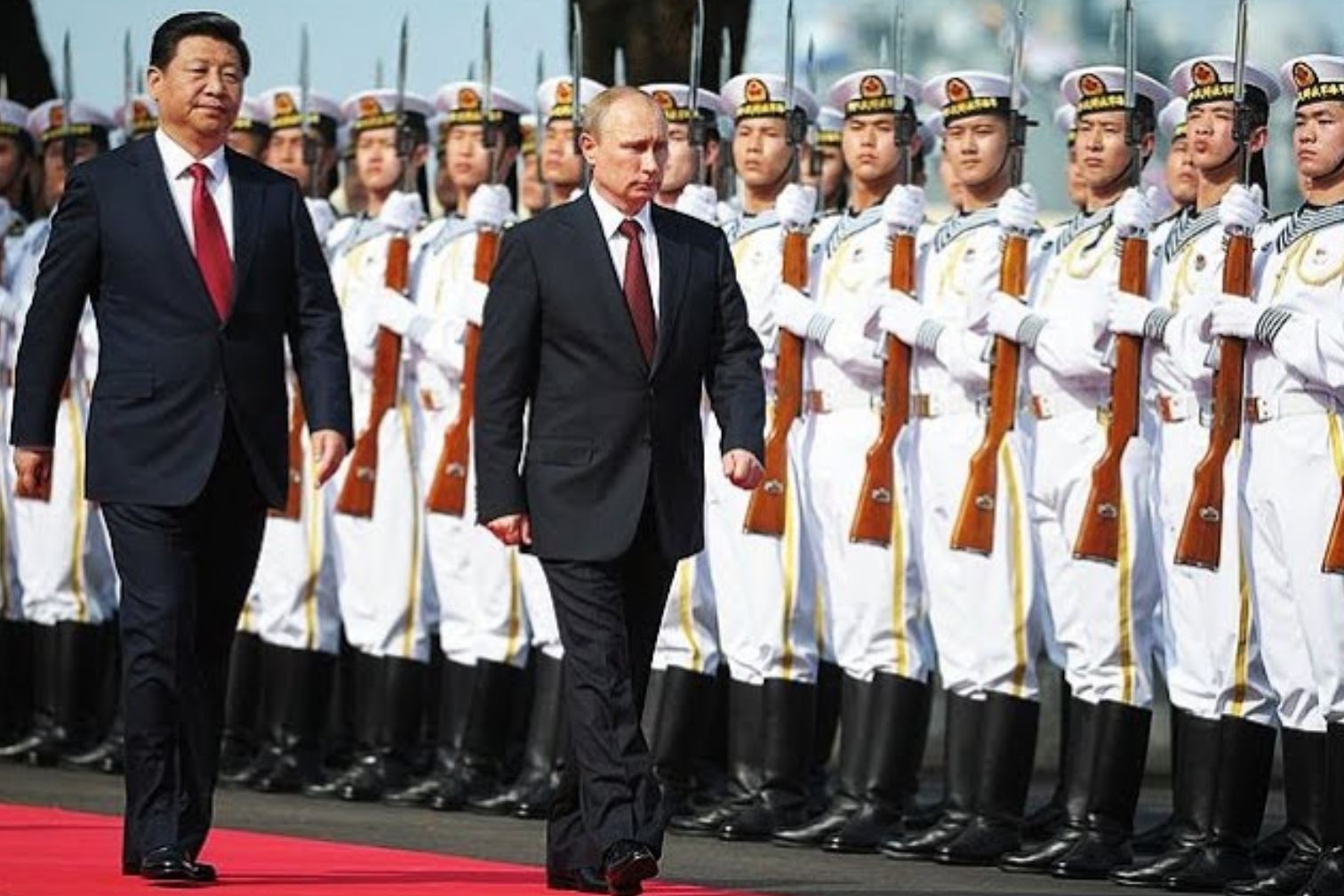 By James Corbett, International Forecaster
It may have arrived with little fanfare, but Russia’s SWIFT alternative has, more or less, arrived. Speaking in no uncertain terms at a meeting with Russian President Vladimir Putin late last month, Elvira Nabiullina, the Governor of Russia’s central bank, stated: “We have finished working on our own payment system, and if something happens, all operations in SWIFT format will work inside the country. We have created an alternative.”
Now this news will be old news to intrepid Corbett Reporteers. My long-term audience will no doubt recall the September 21, 2014 episode of New World Next Week where James Evan Pilato and I covered the Russia/China talks to create both a SWIFT alternative and an independent ratings agency. You’ll also of course recall my March 11, 2015 editorial in these very pages where I discussed then-recent reports that China was ready to go live with its own SWIFT alternative, the Cross-Border Inter-Bank Payments System. For those not following along at home, that system did indeed go live in October of that year, but in a “watered down” form that only accounts for cross-border yuan trade deals, not capital-related transactions.
But for those who are really lost in the woods, let’s go back to my “China’s SWIFT Alternative and the (Engineered) Death of the Dollar” editorial to re-establish just what SWIFT is and why alternatives to it are so potentially important. As I wrote at the time:
googletag.cmd.push(function() { googletag.display('div-gpt-ad-1470694951173-5'); });
(deployads = window.deployads || ).push({});