Melding Mind and Machine: How Close Are We?
Activist Post Editor’s Note: Undoubtedly there will be beneficial uses for brain-computer interface technology (BCI), particularly in the area of restoring motor skills and communication. But, as you’ll read, the level of mind-tinkering that is being proposed by neuroscience has uses that also create direct mind control in the form of “non-invasive” applications such as neural dust, linking the brain to computer via wireless magnetic stimulation. Or how about treating diseases via “electroceuticals” – sending targeted electrical messages to various organs via implant? It is something we have covered extensively at Activist Post, which you can read in our archives here. The issue isn’t so much the technology itself as the fact that the military and others with less-than-noble intentions can utilize this in horrific ways. It is paramount that a solid ethical framework must be created immediately before this spirals into the purely dystopian. It’s important, therefore, to stay informed of the latest developments – especially how they are perceived by the establishment – so that we are not blindsided when these incremental steps become a whole new reality.
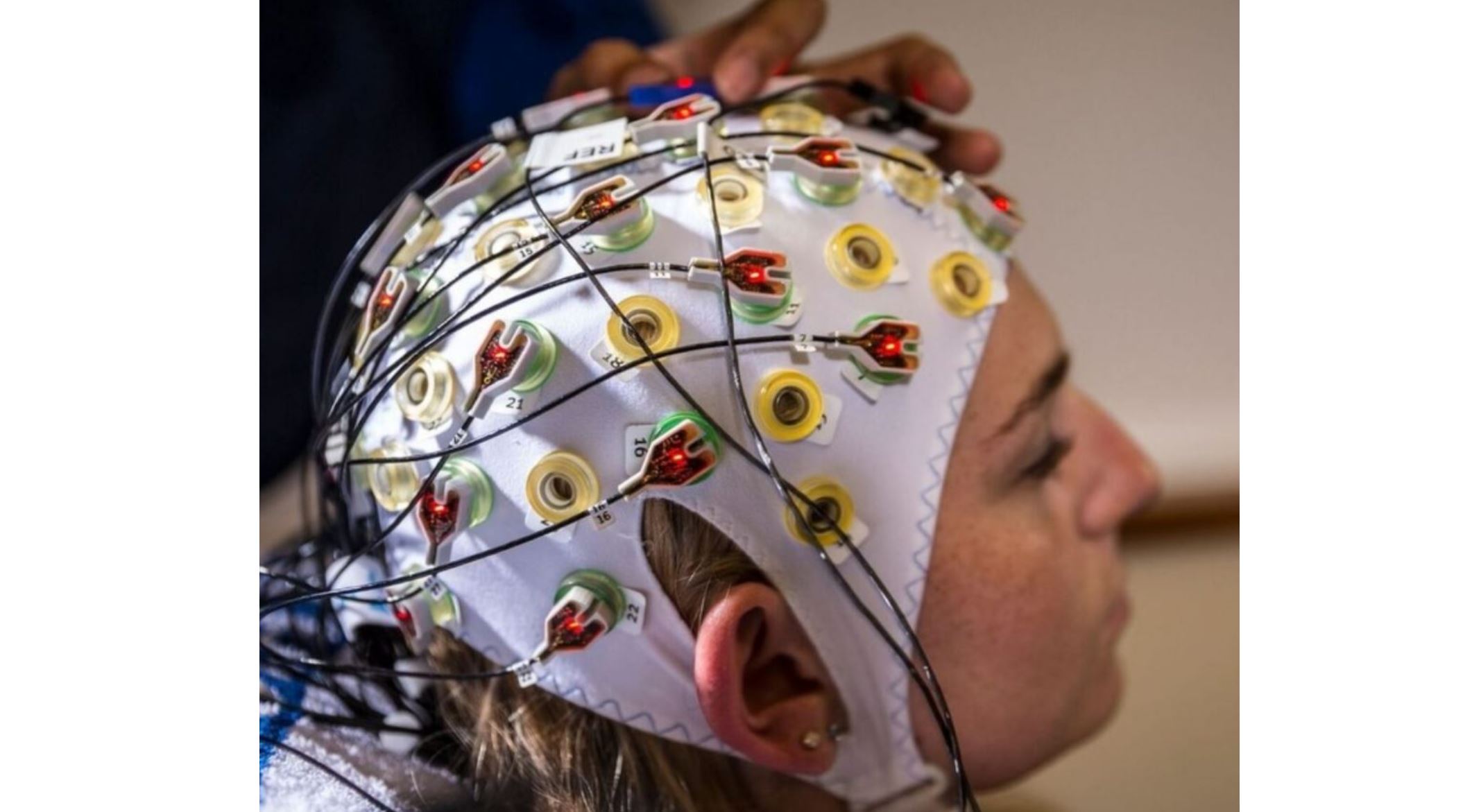
Melding Mind and Machine: How Close Are We?
By James Wu, University of Washington and Rajesh P. N. Rao, University of Washington
Just as ancient Greeks fantasized about soaring flight, today’s imaginations dream of melding minds and machines as a remedy to the pesky problem of human mortality. Can the mind connect directly with artificial intelligence, robots and other minds through brain-computer interface (BCI) technologies to transcend our human limitations? 
Over the last 50 years, researchers at university labs and companies around the world have made impressive progress toward achieving such a vision. Recently, successful entrepreneurs such as Elon Musk (Neuralink) and Bryan Johnson (Kernel) have announced new startups that seek to enhance human capabilities through brain-computer interfacing.
How close are we really to successfully connecting our brains to our technologies? And what might the implications be when our minds are plugged in?
[youtube https://www.youtube.com/watch?v=7t84lGE5TXA?feature=oembed&w=777&h=437]
How do brain-computer interfaces work and what can they do?
Origins: Rehabilitation and restoration
Eb Fetz, a researcher here at the Center for Sensorimotor Neural Engineering (CSNE), is one of the earliest pioneers to connect machines to minds. In 1969, before there were even personal computers, he showed that monkeys can amplify their brain signals to control a needle that moved on a dial.
googletag.cmd.push(function() { googletag.display('div-gpt-ad-1470694951173-5'); });
//tags-cdn.deployads.com/a/activistpost.com.js
(deployads = window.deployads || ).push({});