EpiPen goes from $300 to $30 to $3 with Opensource and 3D Printing
adUnit = document.getElementById("google-ads-Yz1a");
google_ad_client = "ca-pub-1897954795849722";
adUnit = document.getElementById("google-ads-Yz1a");
adWidth = adUnit.offsetWidth;
if ( adWidth >= 999999 ) {
/* GETTING THE FIRST IF OUT OF THE WAY */
} else {
google_ad_slot = "0";
adUnit.style.display = "none";
}
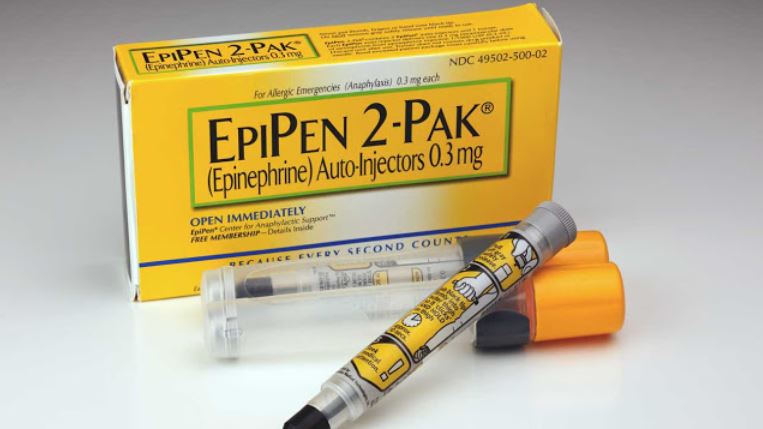
Corporations will take as much as the public allows them to. It is ultimately up to the public to represent their own best interests, and unrealistic to expect corporations or the governments charged with reining in their behavior to keep abuse and overpricing in check.
While the US government held a hearing regarding Mylan’s EpiPen pricing in which a package containing two of the devices costs a whooping $600 ($300 per device), little appears to have been done except provide the public with the belief that “something” will eventually be done by what is a clear case of price gouging.
What perhaps was more effective than the expensive and ultimately superficial Congressional hearing, was a DIY biohacking group’s demonstration of turning an ordinary store-bought autoinjector into a functioning EpiPen, called an “EpiPencil.”
The autoinjector-based EpiPencil costs about $30-$40.
READ: EpiPen Price Hikes Inspire “EpiPreneurs” to Create Affordable Alternatives
The demonstration helped tangibly illustrate just how cheap the components of the EpiPen really are, essentially consisting of a syringe, a needle, plastic casing, and a spring.
Of course, the EpiPencil cannot be stored for months like the EpiPen can, but it is an important starting point for other biohackers seeking to lower the price of healthcare through innovation and opensource decentralization.
 The EpiPencil.
With 3D printing, our own innovation lab has found it possible to cut costs even further. We are developing an opensource design of the autoinjector used for the EpiPencil. Costs for the PLA plastic used in printing out prototypes reveals an expected price of around $3 for the finished product.
googletag.cmd.push(function() { googletag.display('div-gpt-ad-1470694951173-5'); });
(deployads = window.deployads || ).push({});