Automation And Universal Basic Income: Are There Other Options?
adUnit = document.getElementById("google-ads-1OGF");
google_ad_client = "ca-pub-1897954795849722";
adUnit = document.getElementById("google-ads-1OGF");
adWidth = adUnit.offsetWidth;
if ( adWidth >= 999999 ) {
/* GETTING THE FIRST IF OUT OF THE WAY */
} else {
google_ad_slot = "0";
adUnit.style.display = "none";
}
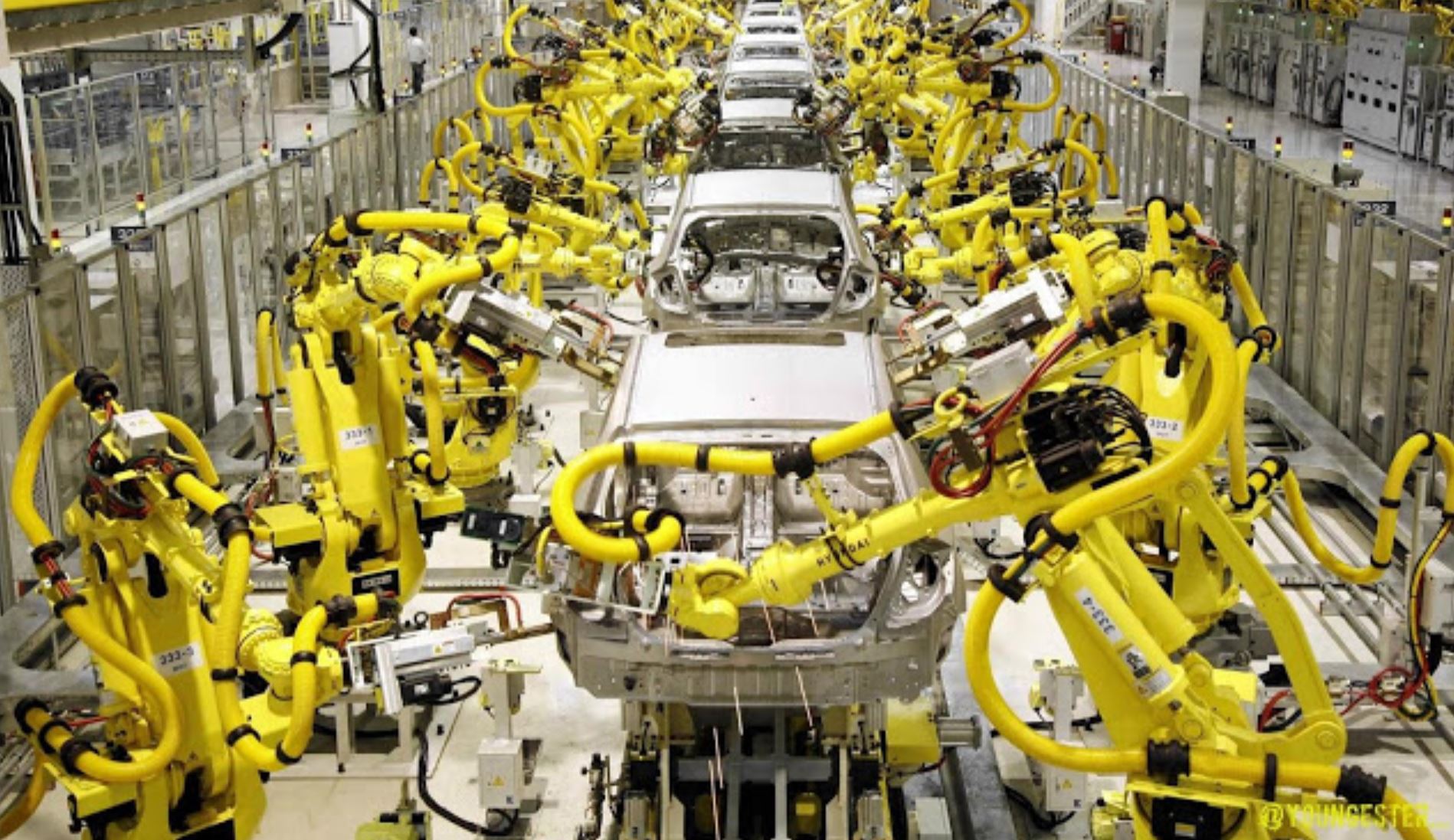
Everything from self-driving cars to more capable and prolific industrial robots in factories are threatening a growing list of human jobs. And with artificial intelligence findings itself applied across a growing list of specialized tasks, not only is menial labor being threatened and disrupted, but so are many “white-collar” jobs.
A population facing the prospect of unemployment because their jobs have been permanently replaced by automation is a growing problem that requires an urgent solution. And many solutions have been proposed.
Education programs are proposed to retrain workforces around the globe to tackle jobs that still require human labor. There is also the proposal of what is called universal basic income. It is described by Wikipedia as:
…a form of social security in which all citizens or residents of a country regularly receive an unconditional sum of money, either from a government or some other public institution, in addition to any income received from elsewhere.
It sounds like a simple and attractive solution. But there are multiple dimensions to universal basic income often overlooked by proponents.
First, it leaves entire populations completely dependent on whatever government or public institution is tasked with providing these sums of money to the public, something governments and public institutions throughout history have been notoriously inefficient at for a wide variety of reasons.
Second, it leaves whoever is using automation, mainly corporations, with an uncontested monopoly over the technological foundation of modern society. Such monopolies have also, throughout history, proven notoriously negative for society.
Currently, experiments are underway to see what impact universal basic income will have on populations.
googletag.cmd.push(function() { googletag.display('div-gpt-ad-1470694951173-5'); });
(deployads = window.deployads || ).push({});