Artificial Intelligence and Biotech: Striking a Technological Balance of Power

During World War 2, nations desperately raced to harness the atom. The United State ultimately won that race, and during their victory lap – being the sole nation to possess nuclear weapons – used them against their enemy Japan … twice.
Tens of thousands of lives were extinguished in the blink of an eye and Japan, already a defeated nation, submitted absolutely to US hegemony which would prevail both over Japan and most of Asia for nearly a century onward.
Images: The atomic bombing of Hiroshima and Nagasaki. This is what uncontested military superiority – or an imbalance of technological and military power – looks like. What will similar disparity in artificial intelligence or biotechnology lead to?
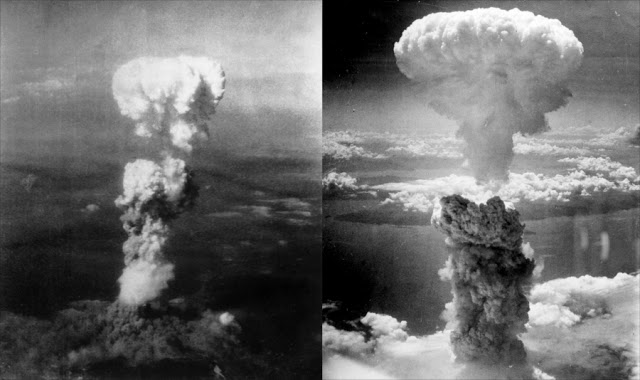
Since the bombings of Hiroshima and Nagasaki, the US has used its immense economic disparity over the last seven decades to build a conventional army and employ various methods of overtly and covertly attacking, undermining, and even overthrowing the political and socioeconomic orders of targeted nations worldwide in its bid to take, hold, and expand global hegemony.
It has used its domination of the media to sell wars, manipulate public perception, and project its socioeconomic, cultural, and military will to the far reaches of the planet.
With the advent of the Internet and social media, its domination over both allowed it to plunge the entire Middle East and North Africa (MENA) into chaos and eventually war in 2011 during the so-called “Arab Spring,” a fact the New York Times in an article titled, “U.S. Groups Helped Nurture Arab Uprisings,” would later admit.
Balancing Power
With each form of tactical and technological disparity manifesting itself in military aggression, subjugation, exploitation, and immeasurable injustice, attempts to diminish that disparity have helped strike a balance of power.
Image: Russian mobile nuclear missiles and the reason why the United States never used nuclear weapons again.
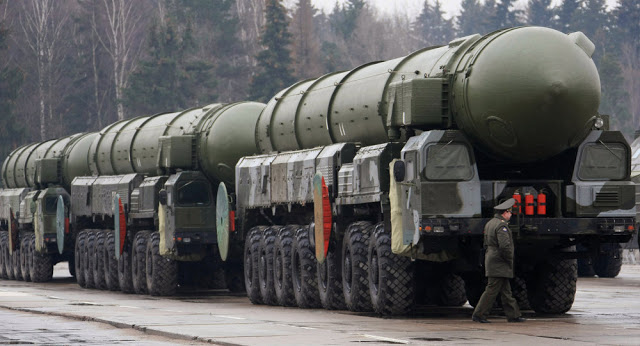
The development of nuclear weapons by the Soviets, then later China, India, and Pakistan as well as several European powers, helped strike a balance of power within which no nation dared strike another with such weapons again.
Asymmetrical warfare and increasingly sophisticated and prolific anti-tank and anti-air weaponry have allowed nations to raise the cost of US military adventures abroad to the point where direct military intervention has become all but impossible for the US (and other nations as well).
googletag.cmd.push(function() { googletag.display('div-gpt-ad-1470694951173-5'); });
//tags-cdn.deployads.com/a/activistpost.com.js
(deployads = window.deployads || ).push({});